Product Description
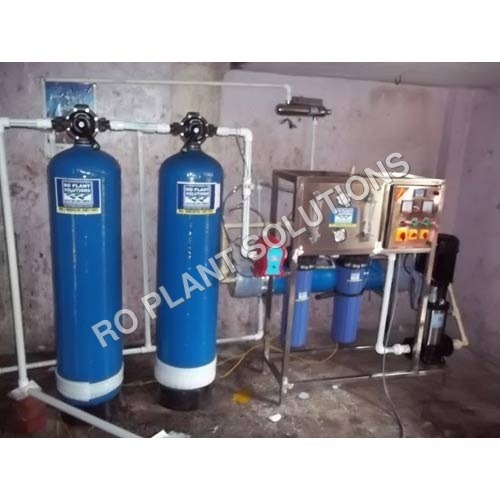
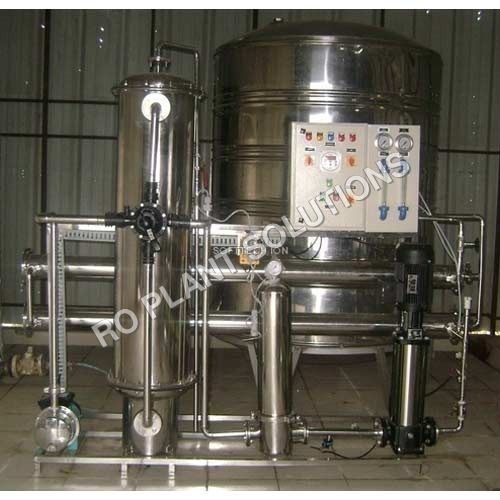
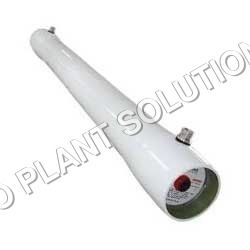
We have with us rich a combination of engineering expertise as well as dedicated work approach that assists us in successfully offering a wide range of LPH Plant. It purifies water and kills all bacteria. These products are obtained from the reputed vendors of the market who manufacture these using excellent quality components in adherence with set industry parameters. Apart from this, clients can avail this LPH Plant from us at affordable prices.
Features:
- Longer service life
- High performance
- Low maintenance
Specification
| RO Capacity | 500 LPH |
| Material of Construction | Stainless Steel |
| Automation Grade | Semi-Automatic |
| Number of Filtration Passes | 2 |
| Max Water Recovery Rate | 60-65 % |
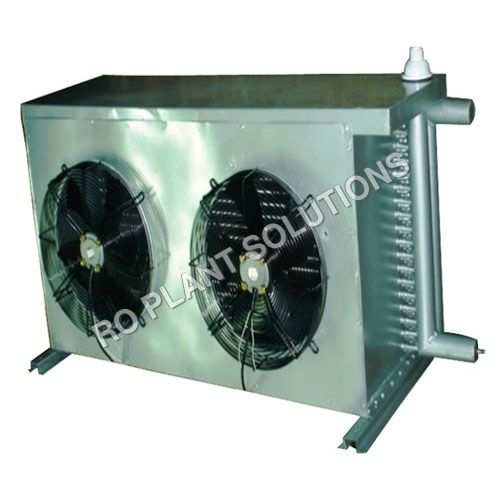
| Chiller Cooling Capacity | 0.5 ton |
Advanced Water Purification TechnologyCombining Reverse Osmosis, Ultrafiltration, and Microfiltration, the LPH Plant delivers superior water quality, suitable for diverse water sources such as borewell, municipal, or surface water. Pretreatment via media filters or softeners protects membranes, ensuring effective and reliable operation.
Flexible Design and CustomizationEvery LPH Plant is tailored to your specific volume and dimension requirements, with inlet and outlet sizes configurable from 1 to 2 inches. With a robust PLC or manual control system, installation is seamlessfloor-mounted for stability and safety.
Energy Efficiency and SafetyDesigned for low power consumption (1-5 kW) and equipped with overload and dry run protection, this plant offers trouble-free, efficient performance. With a service life of up to 10-15 years and high recycle rates (90-95%), the system minimizes waste and reduces operating costs.
FAQs of LPH Plant:
Q: How does the LPH Plant purify water and achieve high TDS removal efficiency?
A: The LPH Plant uses spiral wound polyamide membranes in combination with pretreatment steps such as media filters or softeners. By employing reverse osmosis, ultrafiltration, or microfiltration technology, the plant removes up to 97% of total dissolved solids (TDS), ensuring purified water with conductivity under 10 S/cm.
Q: What are the main applications of this LPH Plant?
A: This system is ideal for industrial, commercial, or institutional water purification, including factories, offices, schools, and healthcare facilities. Its flexibility in capacity (100-5000 LPH) and adaptable installation make it suitable for a variety of project scales and environments.
Q: When is pretreatment necessary, and what does it involve?
A: Pretreatment is required for all feed water typesborewell, surface, or municipal waters. It typically involves using media filters or softeners to protect the core membranes and maintain high system efficiency by reducing fouling and scaling.
Q: Where can this LPH Plant be installed?
A: The plant can be installed on-site at any facility with a suitable water source and floor space. Its floor-mounted design provides stable, secure placement, making it suitable for indoor environments with ambient temperatures between 5C and 50C.
Q: What control options and safety features does the system offer?
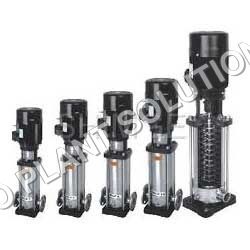
A: The LPH Plant can be operated either manually or automatically through a PLC control system. Safety features include overload and dry run protection to prevent equipment damage, and optional UV or chlorination units for disinfection.
Q: How does maintaining the LPH Plant ensure a long service life?
A: Regular maintenance, such as timely replacement or cleaning of filters and membranes, and routine checks of pump and control systems, helps sustain optimal performance. With proper care, the systems service life can reach up to 10-15 years.






 Send Inquiry