Product Description
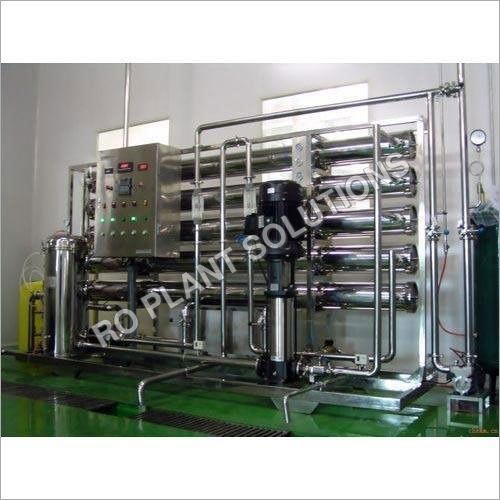
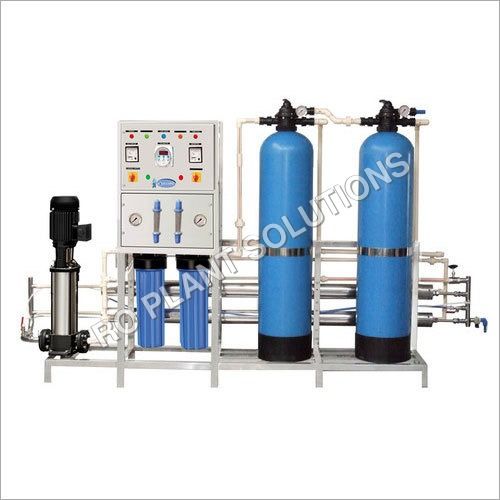
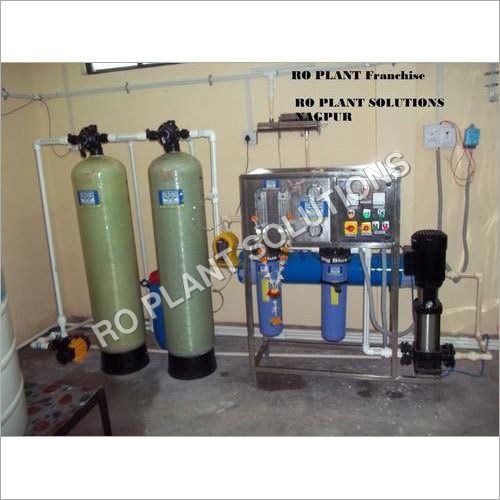
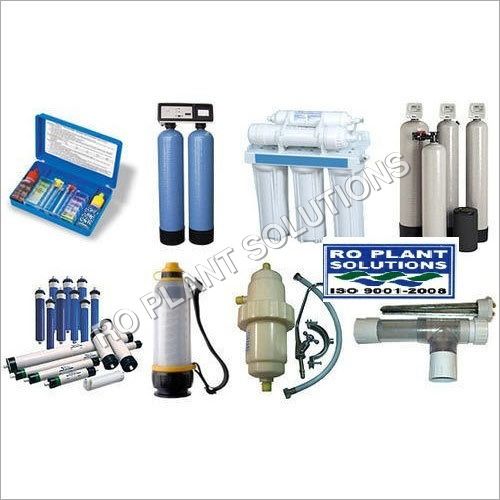
Backed by the assistance of our experienced professionals, we provide our esteemed clients with an excellent range of LPH RO Plant. It removes salts, micro-organisms and high molecular weight organics. This is highly accredited for the attributes like easy installation & maintenance, longer service life, hassle-free operations and low energy consumption. Moreover to this, LPH RO Plant is very effective in removing all kinds of water solvents, molecules, substances and organic/inorganic compounds.
LPH RO Plant
Features:
- Optimal performance
- Minimum maintenance
- Long service life
Specifications:
Specification
| Installation Type | Complete Civil work with Installation |
| Material of Construction | Stainless Steel |
| Automation Grade | Automatic |
| Plant Application | Industrial RO Plant |
| Chiller Cooling Capacity (Tons) | 0.5 ton,2 ton,1.5 ton,1 ton |
Advanced Multi-Stage Purification TechnologyThis RO plant utilizes a multi-stage filtration systemincluding sand, carbon, micron, and RO membranesto ensure removal of up to 99% of contaminants. Input water with hardness up to 500 ppm and conductivity up to 2500 S/cm is efficiently treated to produce water with less than 50 ppm TDS and under 10 S/cm conductivity.
High Efficiency and Recovery RateOperating at 815 bar pressure with a recovery rate of 6070%, the plant is engineered to maximize output while minimizing waste. Water rejected by the membranes is concentrated to a TDS above 2500 ppm, and a recycle rate up to 98% further conserves water without compromising purity.
User-Friendly, Automatic OperationA digital PLC control panel streamlines functionality with options for full automation and manual override. Low power consumption and noise levels, combined with robust stainless steel or FRP builds and skid-mounted design, ensure easy installation and consistent, hassle-free operation in commercial and industrial settings.
FAQs of LPH RO Plant:
Q: How does the LPH RO Plant achieve high purity water?
A: This plant combines multi-stage pretreatment (sand and carbon filtration) with 23 polyamide thin film composite RO membranes, effectively reducing TDS to below 50 ppm and removing up to 99% of contaminants. The result is ultra-pure water, suitable for demanding environments like hospitals, hotels, and factories.
Q: What is the typical process flow of the LPH RO Plant?
A: Feed watersuch as borewell or brackish waterfirst passes through sand and carbon filters to remove particulates and organic matter. It is then pressurized and filtered through RO membranes, followed by polishing and conductivity correction, yielding purified water with low TDS and conductivity.
Q: When should I use this RO Plant?
A: The plant is best suited for situations requiring continuous, reliable purified water for drinking or industrial applications, such as in hospitals, offices, schools, and hotels. It can treat water with high hardness (up to 500 ppm) and moderate conductivity, making it highly versatile.
Q: Where can the LPH RO Plant be installed?
A: Due to its compact, skid-mounted design, it can be easily installed in diverse locations including industrial floors, commercial kitchens, schools, offices, and water rooms in factories. The robust build accommodates both indoor and protected outdoor environments.
Q: What maintenance does the system require?
A: Maintenance primarily involves routine replacement or cleaning of pre-filters and periodic membrane checks. The plants design emphasizes low maintenance with digital monitoring and alerts via PLC, ensuring smooth, ongoing operation with minimal manual intervention.
Q: How does the automatic control panel benefit the operator?
A: The digital/PLC-based control panel enables fully automated operation, enhancing efficiency and reducing manual oversight. Manual override is available for additional control during troubleshooting or specific operational needs, ensuring continuous and reliable performance.
Q: What is the power consumption and efficiency of this plant?
A: The system requires 1.52.5 kW at 220240V AC, delivering water at up to 97% efficiency. Its high recovery and recycle rates further reduce operating costs and conserve resources by minimizing water wastage.







 Send Inquiry