Product Description
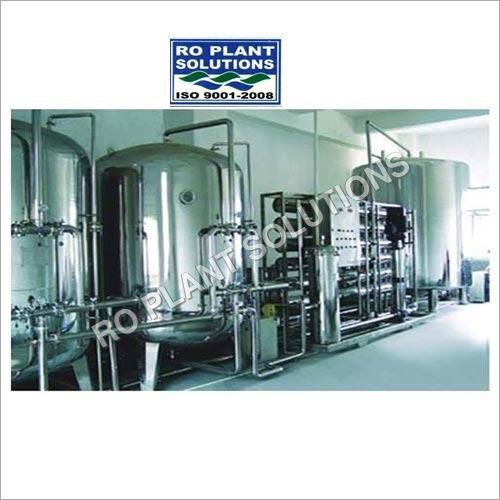
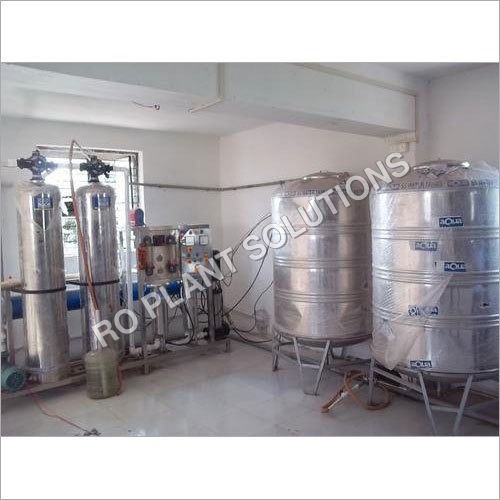
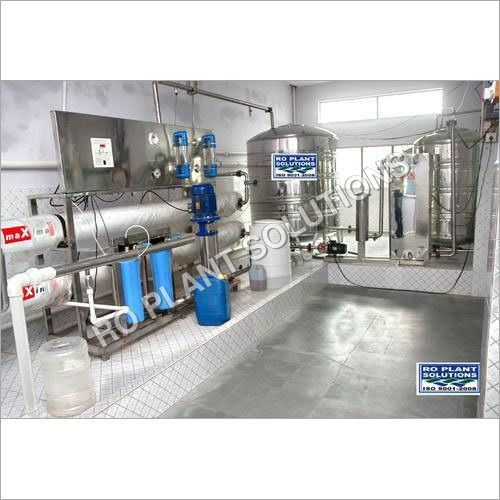
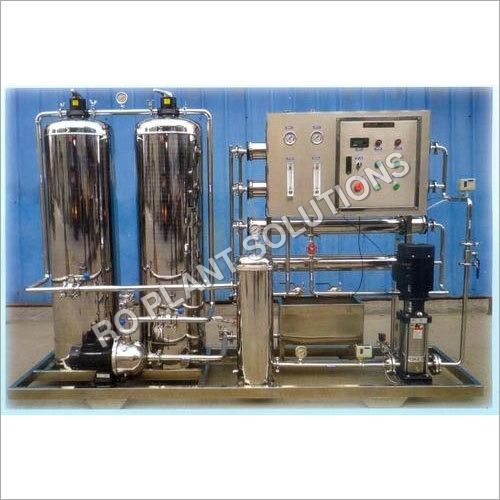
With the inclusion of contemporary machines and advanced tools in all our processes, we are engaged in offering a wide range of Mineral Water Treatment Plant to separate hardness producing ions, calcium and magnesium. Checked and tested as per the industrial standards, these water plants are made of high quality and robust stainless steel material. In order to meet the requirements of the clients, we can customize the shapes and sizes of these products. Mineral Water Treatment Plant is available with us at market leading rates.
Mineral Water Treatment Plant
Mineral plant that works on membrane desalination process. These Industrial Mineral plant is being popularly used in purifies brackish/high TDS water for drinking and industrial purposes. This reverse osmosis water filter system includes following processes of purification: Intake Pre- treatment High Pressure Pump Membrane Assembly pH Adjustment Disinfection Applications of Industrial Reverse Osmosis System Drinking Water Purification Water and waste water Purification Food Industry Syrup Production
Specification
| Voltage | 240V |
| Chiller Cooling Capacity | 5000 L |
| Bottle Filling Capacity | 50 Bottle/min |
Innovative Purification ProcessThe Mineral Water Treatment Plant utilizes multi-stage filtrationincluding sediment, activated carbon, and micron filtersfollowed by Reverse Osmosis, UV, and Ozonation. With an impressive recycle rate of up to 99%, this process ensures the production of highly purified water, meeting stringent industry standards. The system consistently delivers a water out conductivity of 10 S/cm, making it ideal for bottling and sensitive industrial use.
Flexible and Efficient DesignAvailable in customizable volumes and configurations such as skid-mounted, containerized, or floor-mounted layouts, the plant is designed to fit diverse client requirements. The use of durable materials like SS304/SS316 and HDPE ensures corrosion resistance and longevity. Automated controls and optional treated water storage further enhance operational efficiency and user convenience.
Reliable Safety and AutomationEnhanced with features like overload protection and auto shut-off, the treatment plants PLC-based automation permits seamless operation and monitoring. The system is compatible with various water sourcesincluding borewell, municipal supply, and river watermaking it a versatile solution for both distributor and exporter networks throughout India.
FAQs of Mineral Water Treatment Plant:
Q: How does the Mineral Water Treatment Plant ensure high water purity?
A: The plant employs a multi-stage treatment process including sediment filtration, dechlorination, optional softening, RO, UV, and Ozonation. This combination efficiently removes impurities, ensuring a final water purity of up to 99% and a conductivity 10 S/cm.
Q: What pre-treatment steps are necessary before the main purification process?
A: Typically, water undergoes sediment filtration, dechlorination, and, if needed, softening before entering the main RO unit. These steps remove particulates and chlorine, protecting downstream components and enhancing purification efficiency.
Q: When should I choose optional storage and which material is suitable?
A: Optional treated water storage tanks are recommended when immediate use or demand fluctuations are anticipated. Depending on budget and application, you can select HDPE or stainless steel (SS) tanksboth offering durability and hygiene.
Q: Where can the water treatment plant be installed?
A: The plant is versatile and can be installed at industrial, municipal, or commercial sites. Installation options include skid-mounted, containerized, or floor-mounted setups, allowing adaptation to space and infrastructure constraints.
Q: What are the main benefits of using this water treatment plant?
A: Key benefits include high purification efficiency (98-99%), low maintenance, customizable capacity (250-50,000 LPH), robust safety features, and the ability to process water from various sources, making it suitable for diverse usages from bottling to industrial supply.
Q: How is the plant controlled and is manual intervention required?
A: System operations are governed by PLC-based automation, providing precision control and real-time monitoring. Discharge can be set to automatic or manual modes, allowing flexibility and minimal manual intervention.
Q: What is the typical power requirement for operating the plant?
A: Depending on the capacity, the plants power consumption ranges between 3 kW and 10 kW, operating on a voltage range of 220-440V and a frequency of 50-60 Hz. This ensures compatibility with standard industrial power supplies.






 Send Inquiry