Product Description
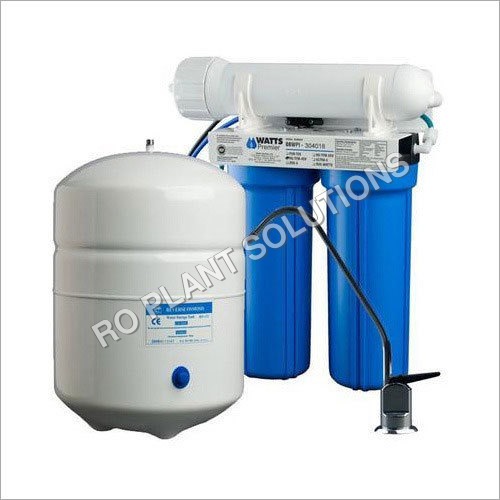
We have emerged in providing an extensive range of Reverse Osmosis Systems, which is extremely used for domestic purposes in reducing the level of dissolved solids and suspended particles from water. Provided systems are known for the features like sturdy construction, reduces contaminants, impeccable performance and fast purification. This systems are checked by our quality controllers in strict abidance with the industry defined quality standards. Furthermore to meet the various needs of our customers, we offer these Reverse Osmosis Systems in different specifications at reasonable prices.
Features:
- Decay & scrape resistance
- Low preservation
- Longer overhaul life
Specification
| Design | Customized |
| Automation Grade | Automatic |
| Number of Filtration Passes | 2,1,3,4,5 |
| Condition | New |
| Chiller Cooling Capacity (Tons) | 1 ton,1.5 ton,2 ton,0.5 ton |
| Reverse Osmosis Systems Repair and Maintenance Required | Yes |
| Installation/Civil Work | Required |
Robust Multistage Filtration ProcessOur reverse osmosis systems utilize a multistage filtration process, including sand filtration, activated carbon, and micron cartridge filters, to ensure maximum removal of contaminants. This thorough pretreatment improves membrane longevity and water quality. The subsequent RO membrane phase provides exceptional purification, making the water suitable for various critical applications across industries.
Automated and Efficient OperationEquipped with PLC-based automatic control panels, the RO units are designed for convenient, user-friendly operation and consistent water quality monitoring. Features such as automatic cleaning cycles, real-time data tracking, and precise control over system parameters enhance reliability and minimize manual intervention, ensuring seamless operations day in and day out.
Versatile and Durable ConstructionConstructed from powder-coated MS or stainless steel with options for FRP or PVC components, these skid-mounted systems promise long-term durability and corrosion resistance. Floor-mounted installation and a compact footprint allow flexible integration into new or existing facilities for diverse industrial, municipal, or commercial environments.
FAQs of Reverse Osmosis Systems:
Q: How does the multistage pretreatment process improve the RO systems efficiency?
A: The system uses sand filtration, activated carbon, and micron cartridge filters to remove suspended solids, chlorine, and fine particles before water reaches the RO membrane. This comprehensive pretreatment extends membrane life, maintains high purification efficiency, and reduces maintenance frequency.
Q: What are the ideal applications for this reverse osmosis system?
A: This RO system is designed for applications such as drinking water treatment, industrial process water, pharmaceutical manufacturing, and food & beverage production. Its high purity output and adaptable flow rates make it suitable for any setting requiring consistent and safe water quality.
Q: When should I perform membrane cleaning on the RO system?
A: Membrane cleaning should be scheduled periodically based on feed water quality and operational hours. The system includes a chemical cleaning facility, and automated controls may alert users when cleaning cycles are necessary to maintain optimal performance.
Q: Where can these RO systems be installed?
A: These systems are suitable for installation in industrial plants, commercial complexes, manufacturing units, and municipal facilities. Their compact and floor-mounted design allows easy placement in a variety of operational environments.
Q: What is the process for installing and commissioning the RO system?
A: Installation involves placing the skid-mounted unit on a level surface, connecting feed, permeate, and discharge lines, and integrating electrical controls. Initial commissioning includes pretreatment checks, control system configuration, and performance verification to ensure water output meets required standards.
Q: How does the automatic PLC control panel benefit system operation?
A: The PLC-based control system automates key processes including flow regulation, chemical dosing, membrane flushing, and monitoring system parameters. This reduces manual oversight, increases process accuracy, and enables rapid troubleshooting for consistent water quality.
Q: What advantages does this RO system offer over conventional water treatment methods?
A: Compared to traditional methods, this RO system provides higher contaminant removal rates (95% TDS removal), greater resource efficiency with up to 75% water recovery, and more reliable operation via automated controls and robust construction, resulting in lower operating costs and safer water output.





 Send Inquiry